Food stock control shouldn’t begin and end with a closing valuation.
Whether you operate a restaurant, hotel, food-led pub or multi-site hospitality business, the information surrounding your food stock can tell you a great deal about profitability, working capital and operational risk.
Here are ten straightforward questions worth asking.
- Do you know your actual food gross profit?
If you’re relying predominantly on sales and purchases without regularly establishing the value of stock being held, are you getting a sufficiently reliable picture of performance?
Accurate opening and closing stock figures provide important context to your GP.
- Are you using the information from your stocktakes?
Carrying out regular stocktakes has limited value if the results aren’t reviewed.
Look at movements in GP, unusual variances and changes in stockholding.
Most importantly, decide who is responsible for investigating them.
- Are you holding more stock than you need?
Stock ties up cash.
High stockholding can result from over-ordering, poor forecasting or simply a lack of attention to what is already in storage.
Look at the value as well as the volume of your stock.
- Do you have obsolete or slow-moving stock?
Products left over from old menus or seasonal periods can remain in freezers and storerooms long after they’re genuinely required.
Identify stock that isn’t moving and establish why it is still being held.
- Which products present your greatest financial risk?
Not every ingredient needs the same level of management attention.
Identify high-value products and items that can be relatively easily tracked from delivery through to sale.
If unexplained variances arise, investigate them.
- Are wastage and other stock movements being recorded consistently?
A stocktake can identify a discrepancy.
It cannot automatically tell you why it occurred.
Make sure waste, transfers and other legitimate stock movements are recorded consistently so unexplained losses can be investigated more effectively.
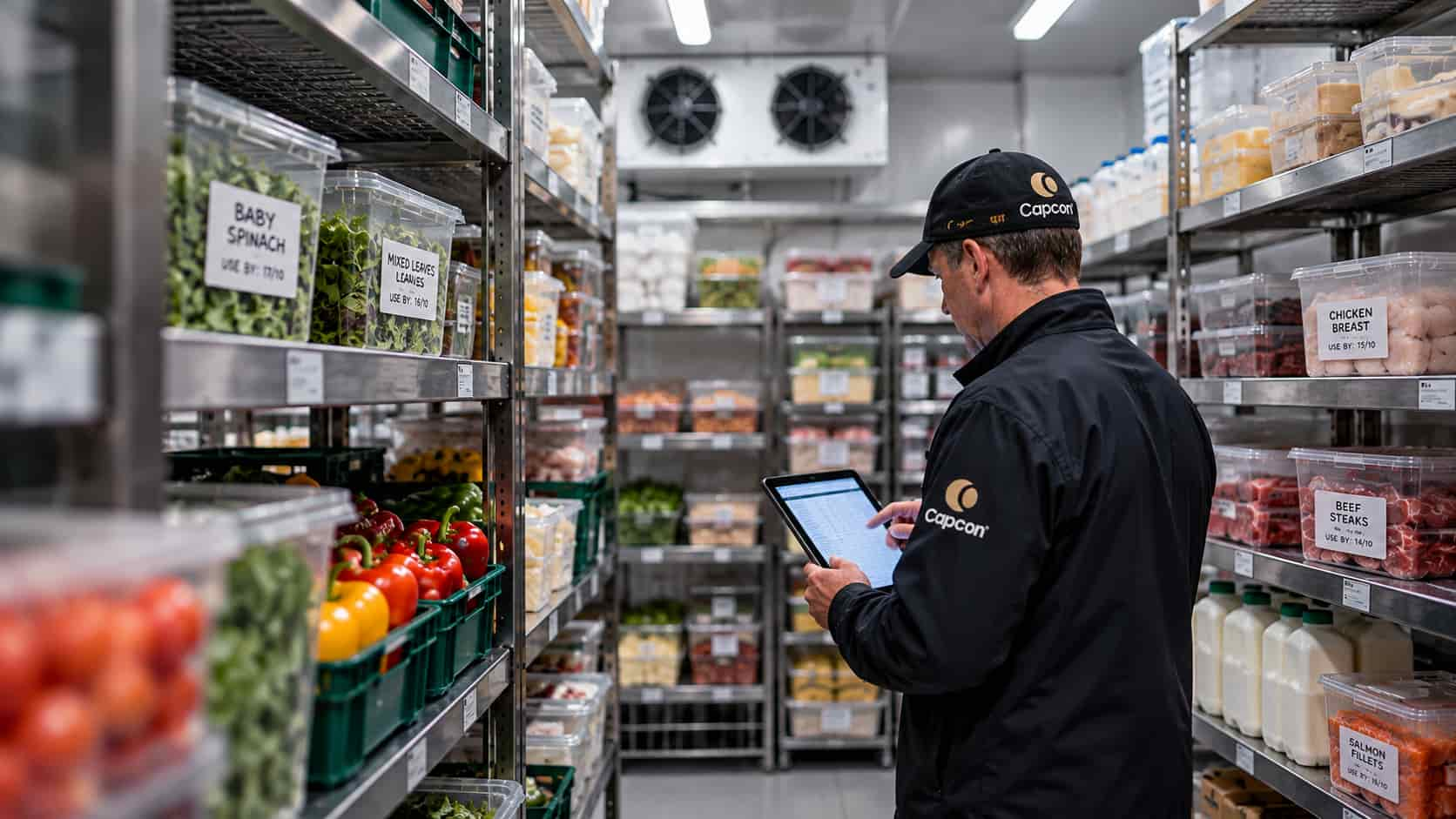
- Are your storage areas organised?
Poorly organised storage makes stock control more difficult.
It can also make it easier for old, unnecessary or forgotten products to accumulate.
An organised stock area makes counting, rotation and control easier.
- Are basic kitchen controls being followed?
Simple procedures matter.
Depending on the operation, these may include appropriate stock labelling, temperature records, cleaning schedules, stock rotation and secure storage.
The relevant requirements should always be determined by the business’s own food-safety procedures and specialist advisers.
- Who is looking at the bigger picture?
A person completing a routine task may naturally focus on that task.
Independent eyes can sometimes identify trends, unusual stockholding or practices that warrant management attention.
That’s one reason external oversight can be valuable.
- What happens between stocktakes?
If you only undertake a full food stock valuation periodically, decide what controls operate in between.
Which high-risk lines are monitored?
Who reviews wastage?
Who investigates unusual movements?
Who checks that obsolete stock isn’t accumulating?
And who is responsible for acting when something doesn’t look right?
The question behind all ten
Good food stock control isn’t about creating unnecessary complexity.
It’s about having enough reliable information to know where your profit may be disappearing and where your attention should be focused.
At Capcon, independent stocktaking is backed by decades of experience inside hospitality operations.
The count gives you the numbers. Experience helps you understand what they’re telling you.
How many of these ten questions could you answer confidently about your operation today?
Talk to Capcon about independent food stocktaking and how greater visibility can help you protect profitability.